Four worlds in Unreal Engine 4 — from a stylized Eden for children to a horror corridor that tells you to run.
The studio’s own Unreal Engine 4 projects: four games in deliberately opposite genres, built to master lighting, 3D gameplay and VR — no betting anywhere.
Four playable prototypes
4
games across different genres
UE4
Unreal Engine 4 + Blueprints
VR
virtual-reality support in CyberGun
3D
original worlds, characters and sets
The problem
A studio that has shipped one genre only knows that genre. Horror lighting teaches nothing about children’s level design; an arena shooter says nothing about tuning an endless runner’s difficulty curve. To sell game development with confidence, the studio needed proven range: radically different genres, audiences and atmospheres, on the same engine.
The solution
Four Unreal Engine 4 projects, each attacking a distinct problem: a stylized open world with wildlife and collectibles for children; horror with dynamic lighting, a flashlight and modular environments; third-person arena combat with enemy waves, HUD and VR; and an infinite runner with procedural obstacles and scoring. Blueprints for fast iteration, original assets, and a shared neon visual language between CyberGun and CyberRun.
The games
Click any screen to enlarge.
GenesisODeity
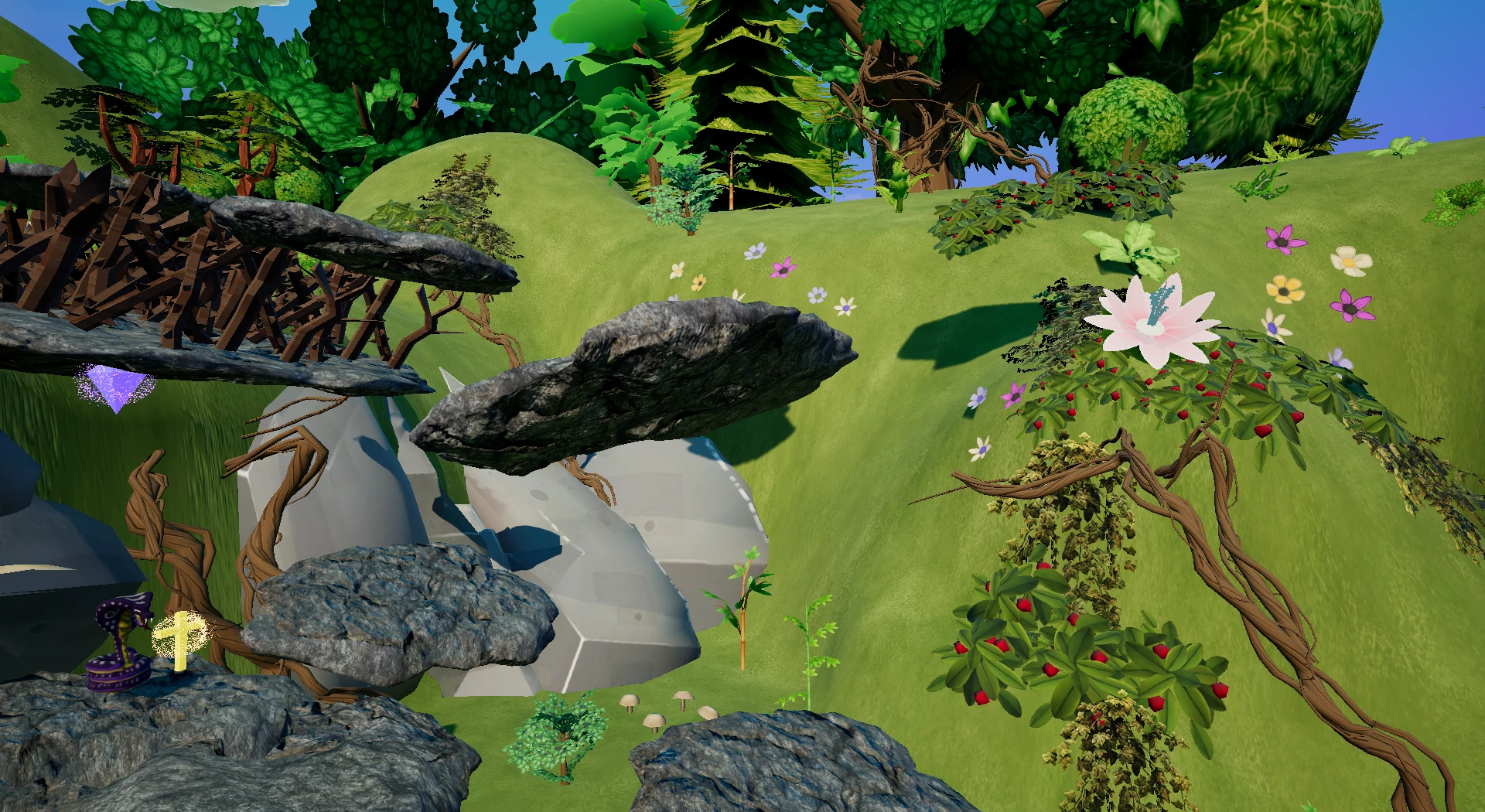
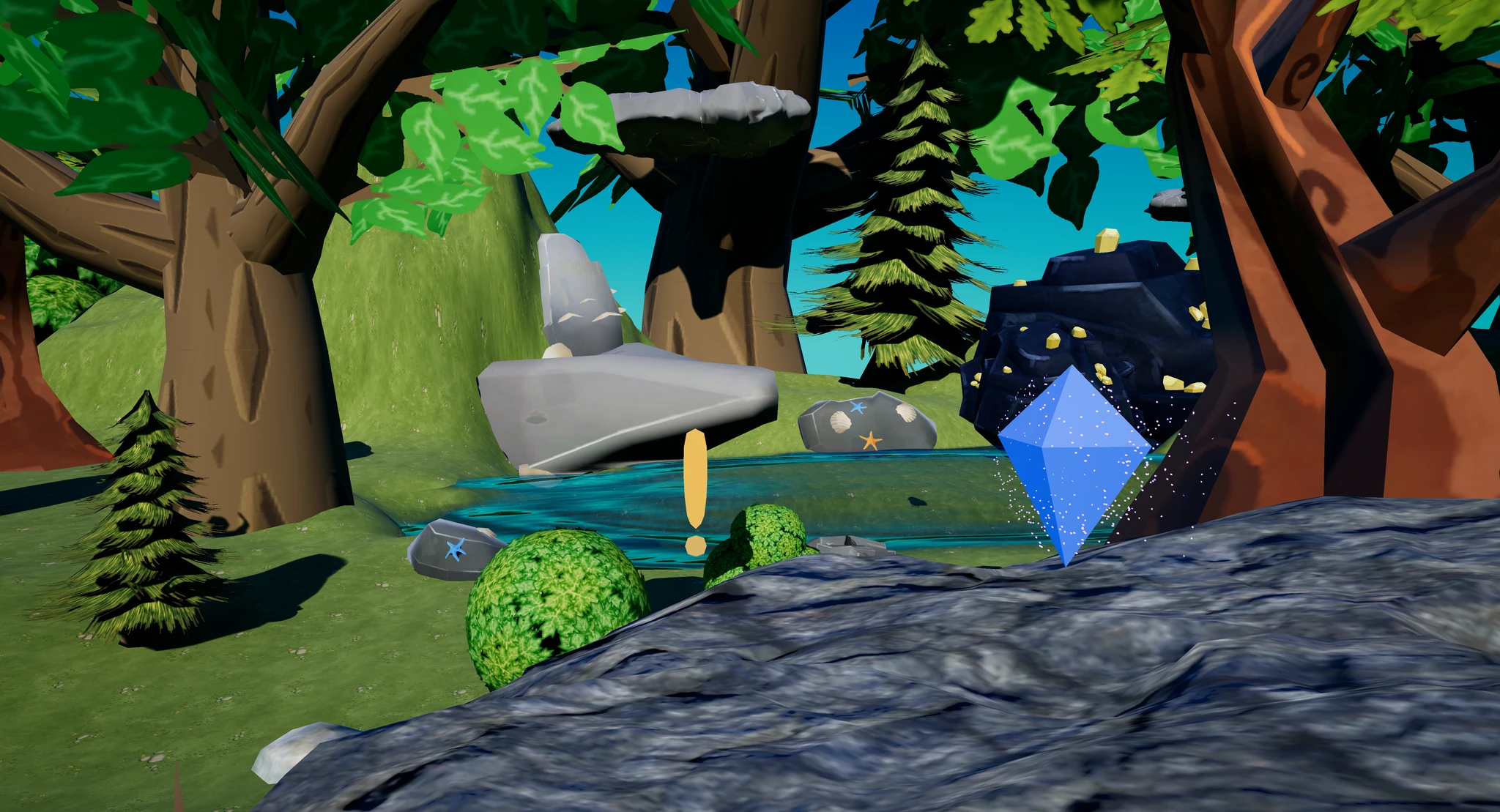
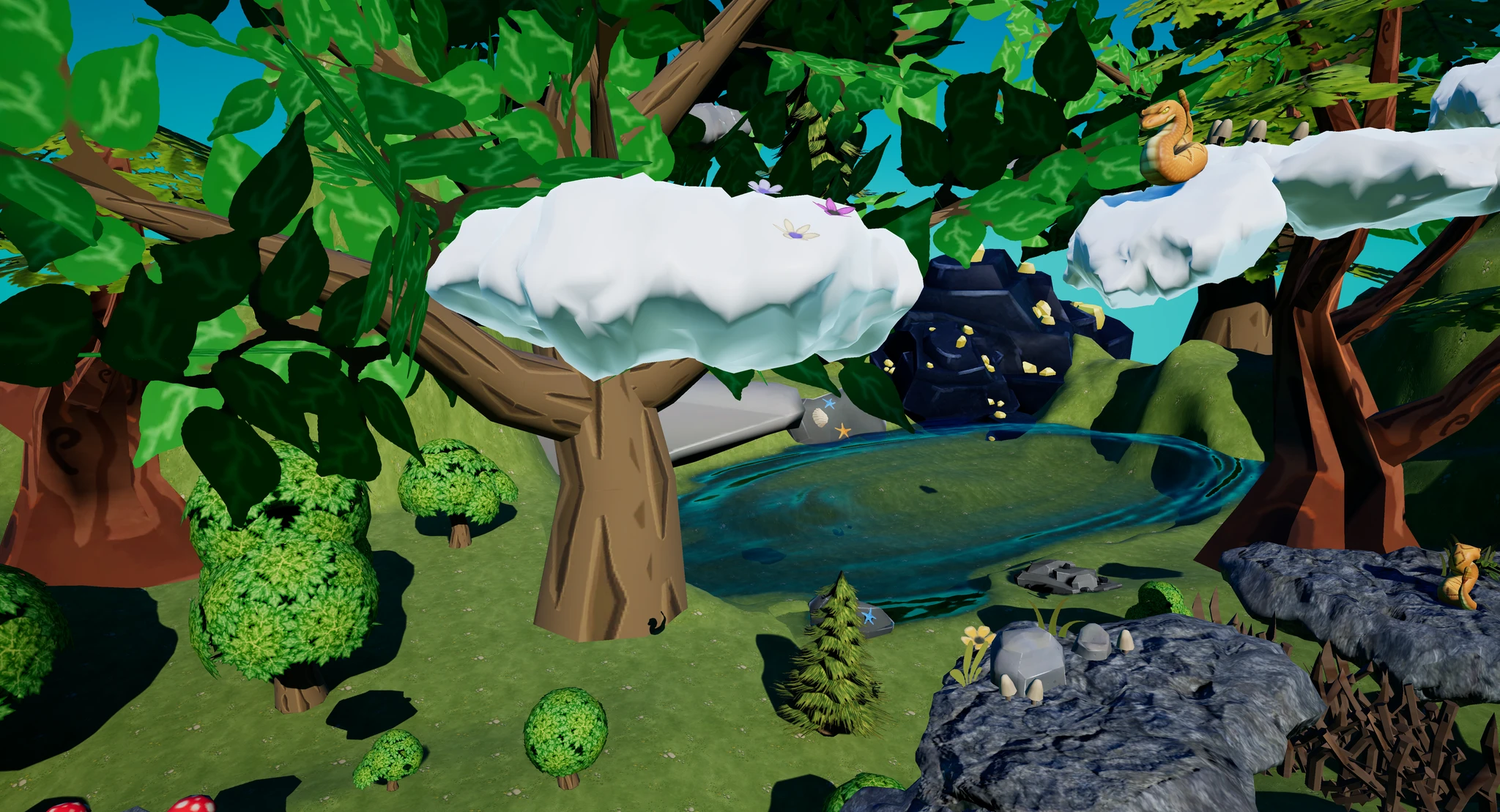
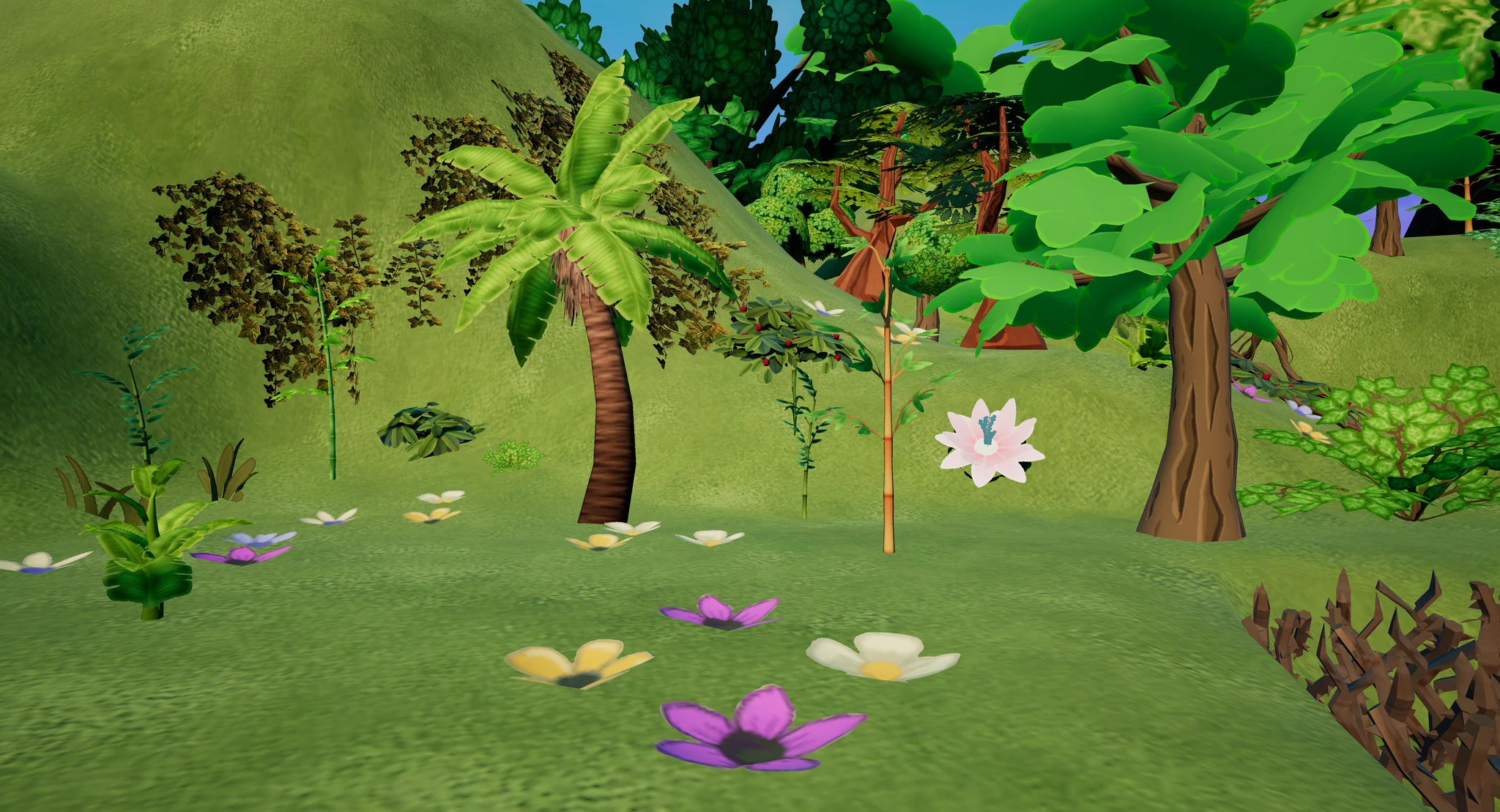
A biblical children’s exploration game: a stylized, brightly colored Garden of Eden where kids roam hills, lakes and caves, meet the animals and collect gems along the way. A compact open world, violence-free, with the serpent and other Genesis-story landmarks woven into the scenery.
The Garden of Eden: the fruit tree and the stone path
A giant blue gem among the forest trees
Low clouds over the lake and the stylized canopy
The serpent among the garden’s palm trees and flowers
A Garota de Cabelos Vermelhos
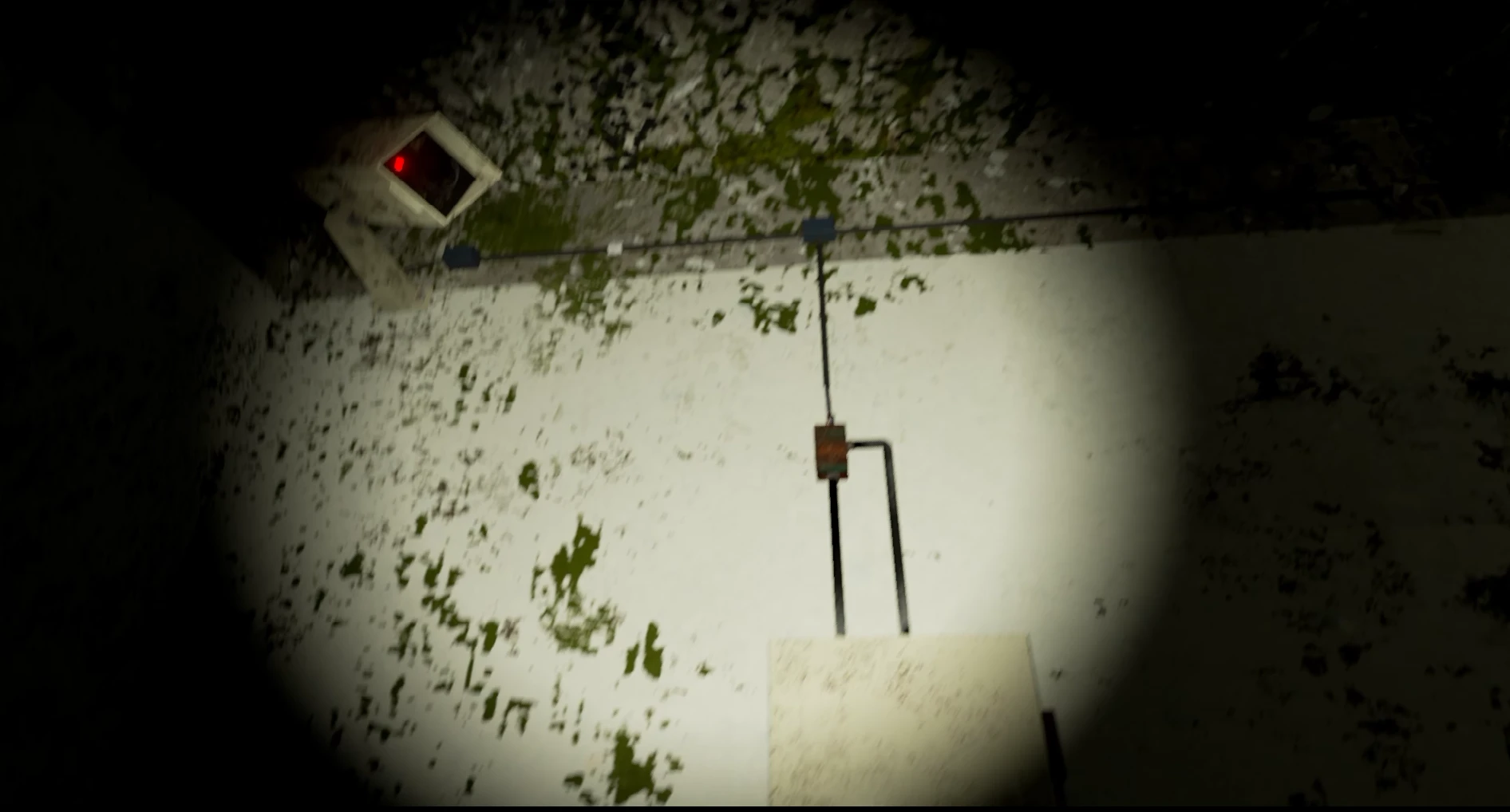
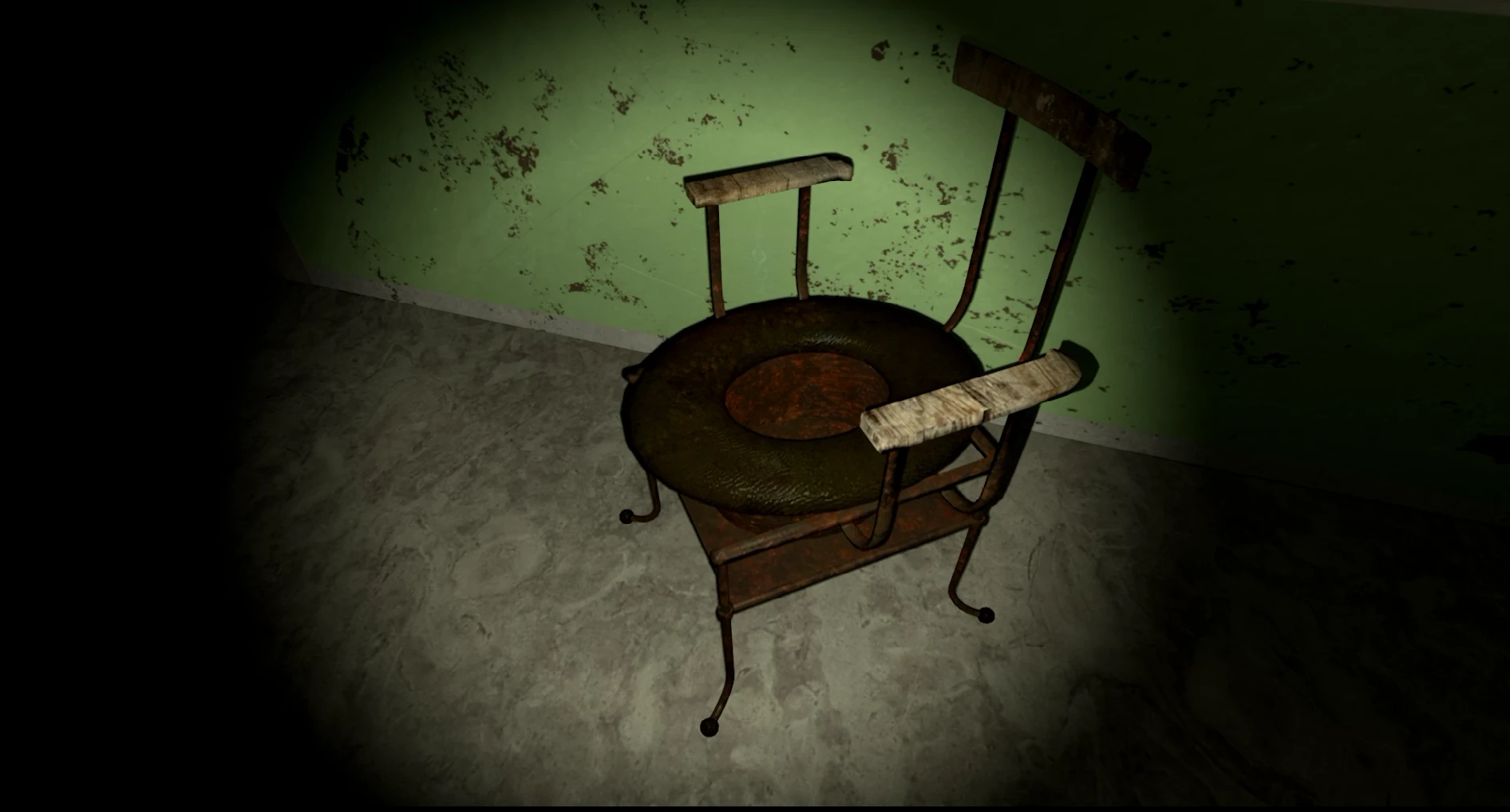
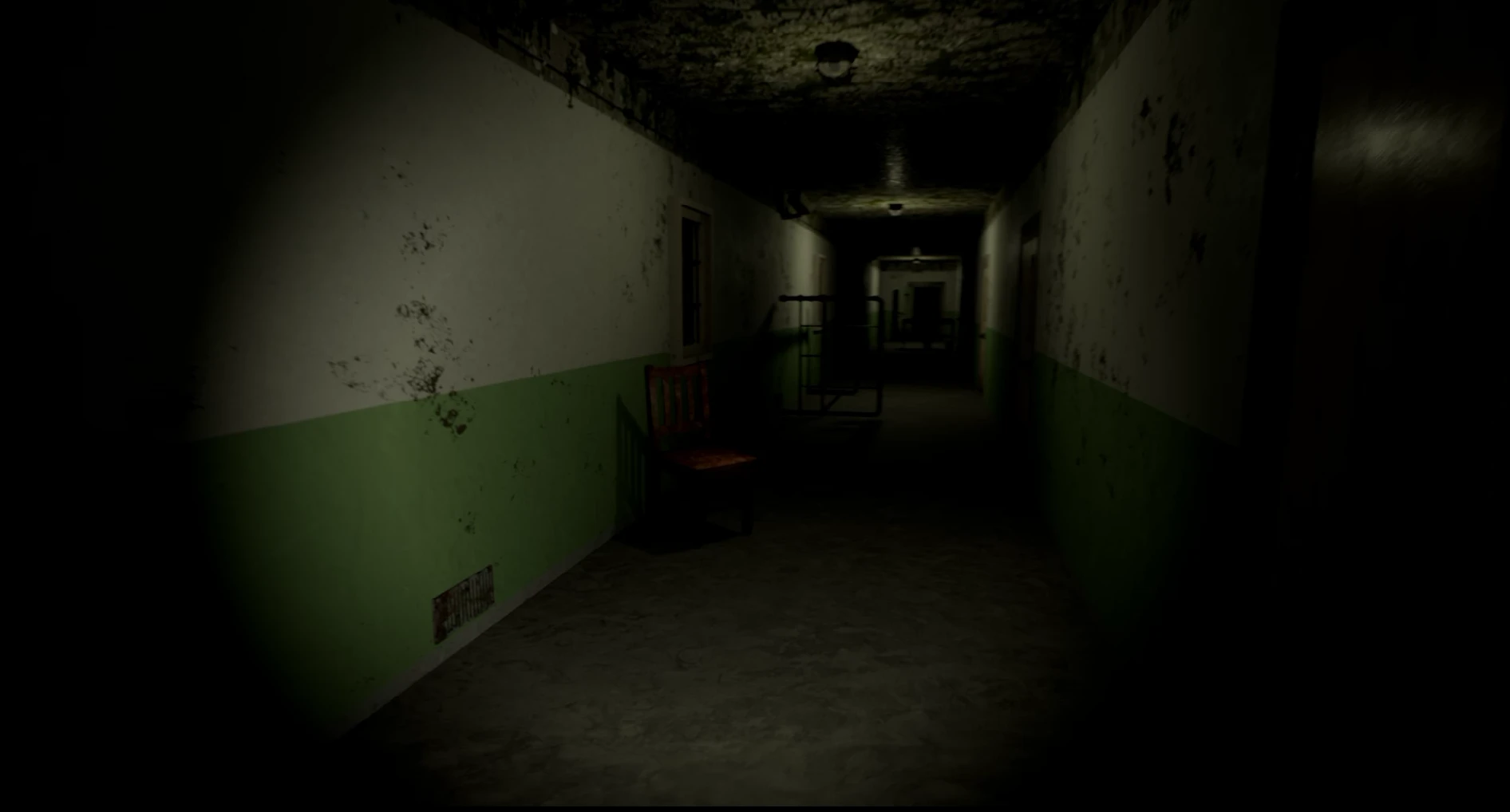
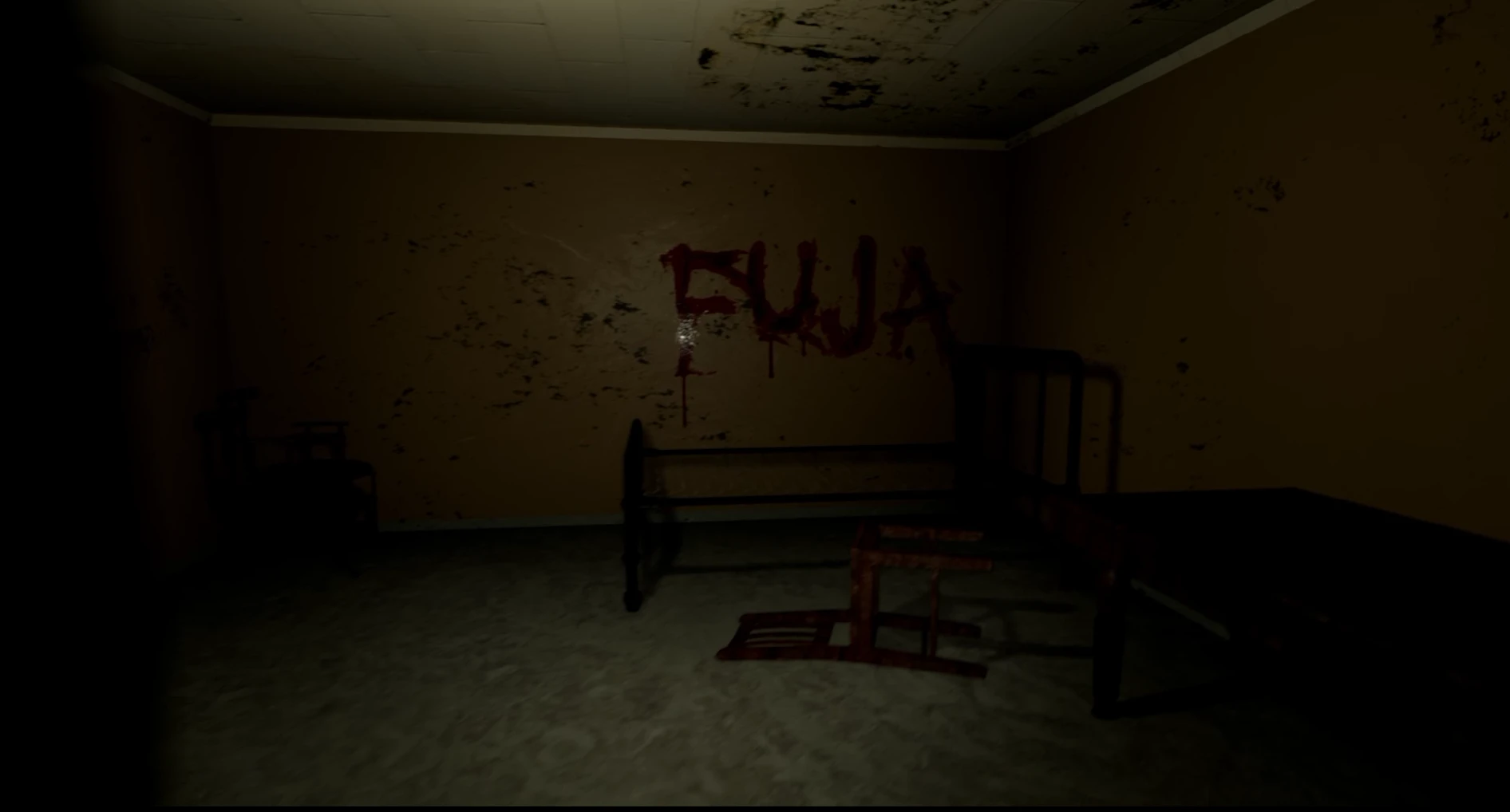
First-person horror in an abandoned building: dark corridors, rusted furniture and a flashlight that never shows quite enough. The environment is assembled from original modular walls and props, and the tension comes from dynamic lighting — and from the warnings written on the walls by whoever came before.
The flashlight reveals a switch on a mold-covered wall
A rusted chair under the beam of light
The long corridor of the abandoned building
“FUJA” — “RUN” — written on the bedroom wall
CyberGun
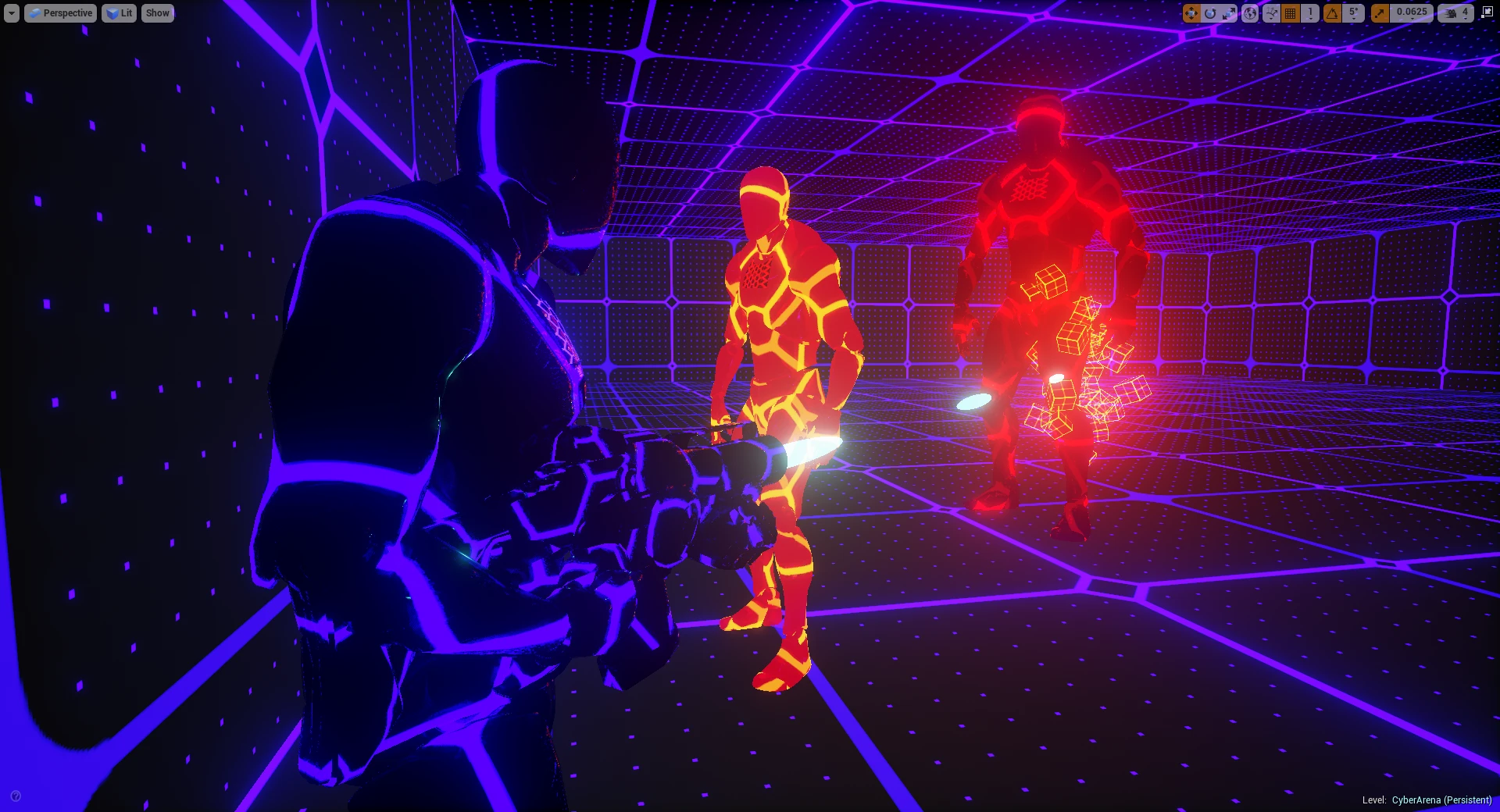
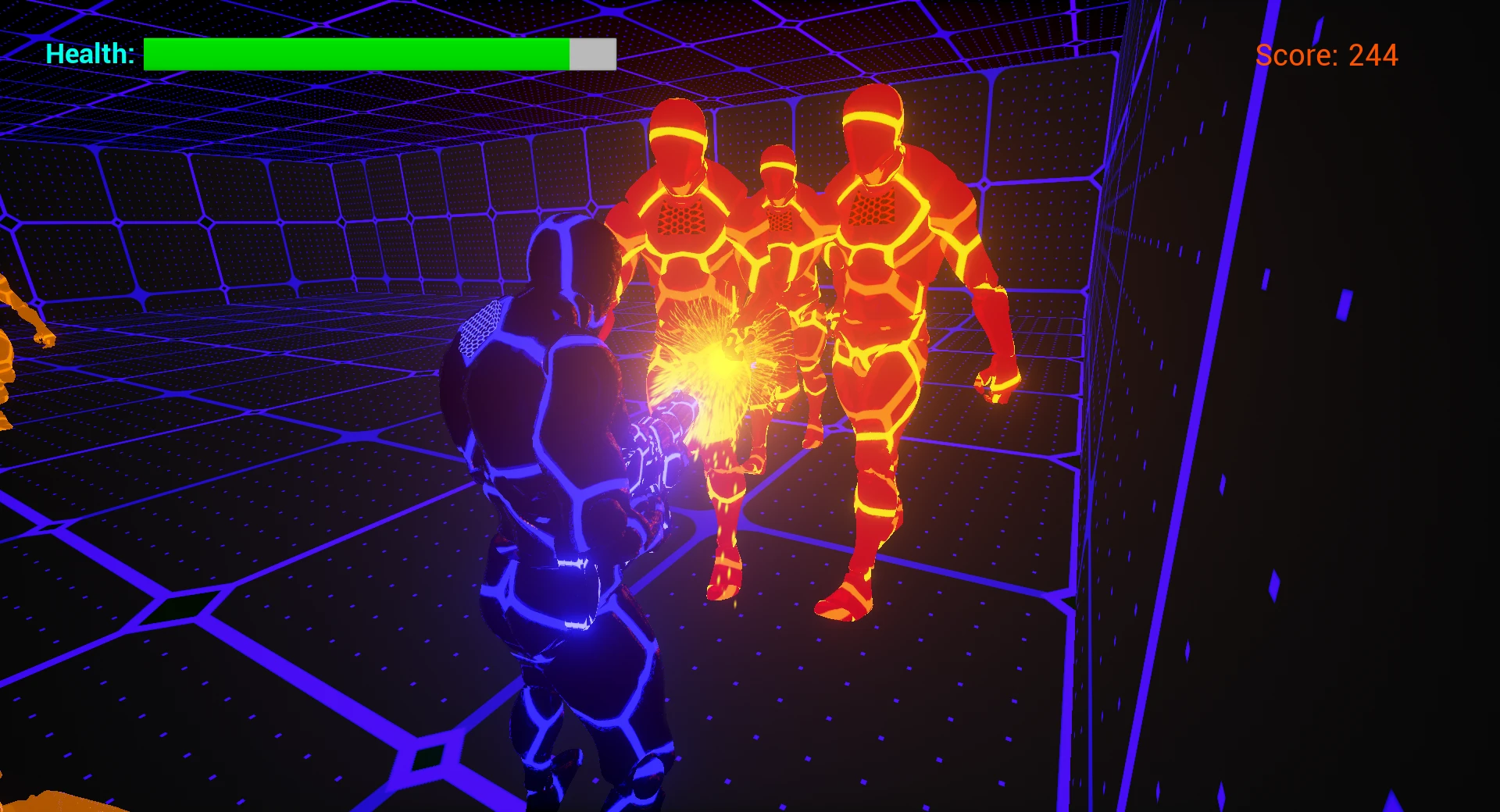
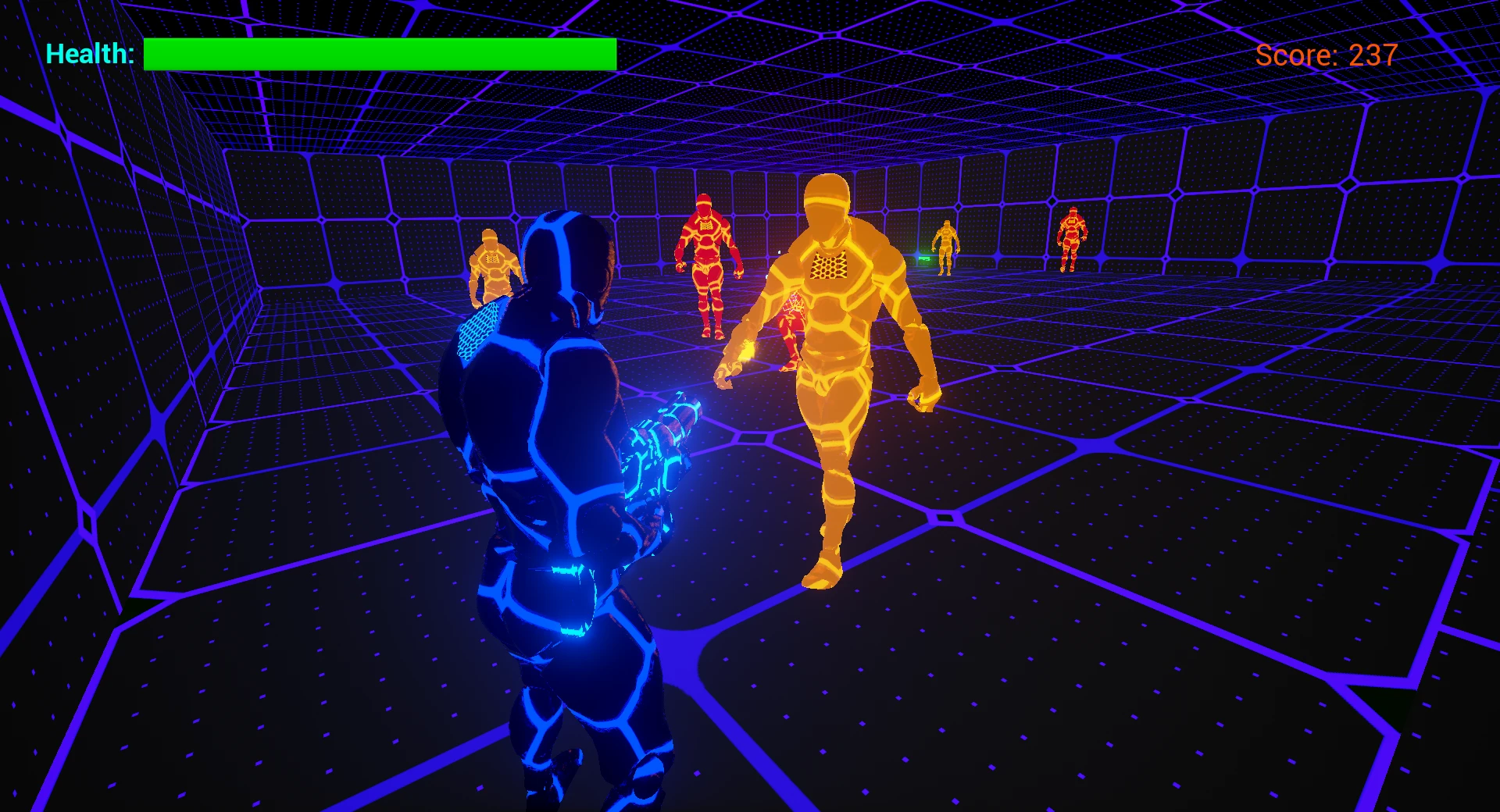
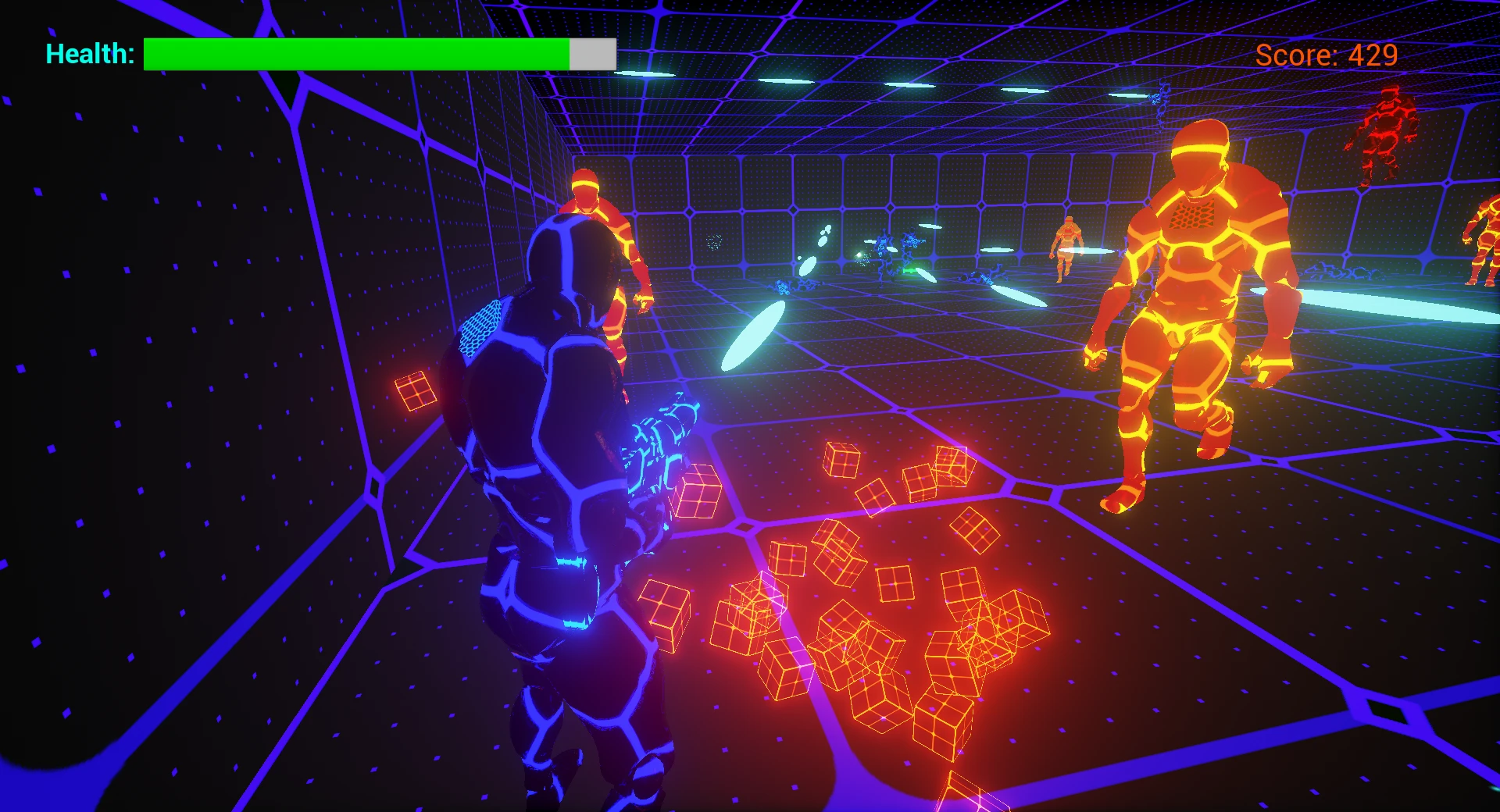
An arena TPS in neon aesthetics: waves of incandescent robots advance across the dark grid while the player — a blue energy silhouette — holds the line with a health-and-score HUD. Third-person combat, escalating waves, and VR support in the same project.
Close-quarters combat with the red robots in the arena
The wave advances: health in the HUD, score in the corner
Enemies spawn at the far end of the neon grid arena
High score: fragments of downed robots on the floor
CyberRun
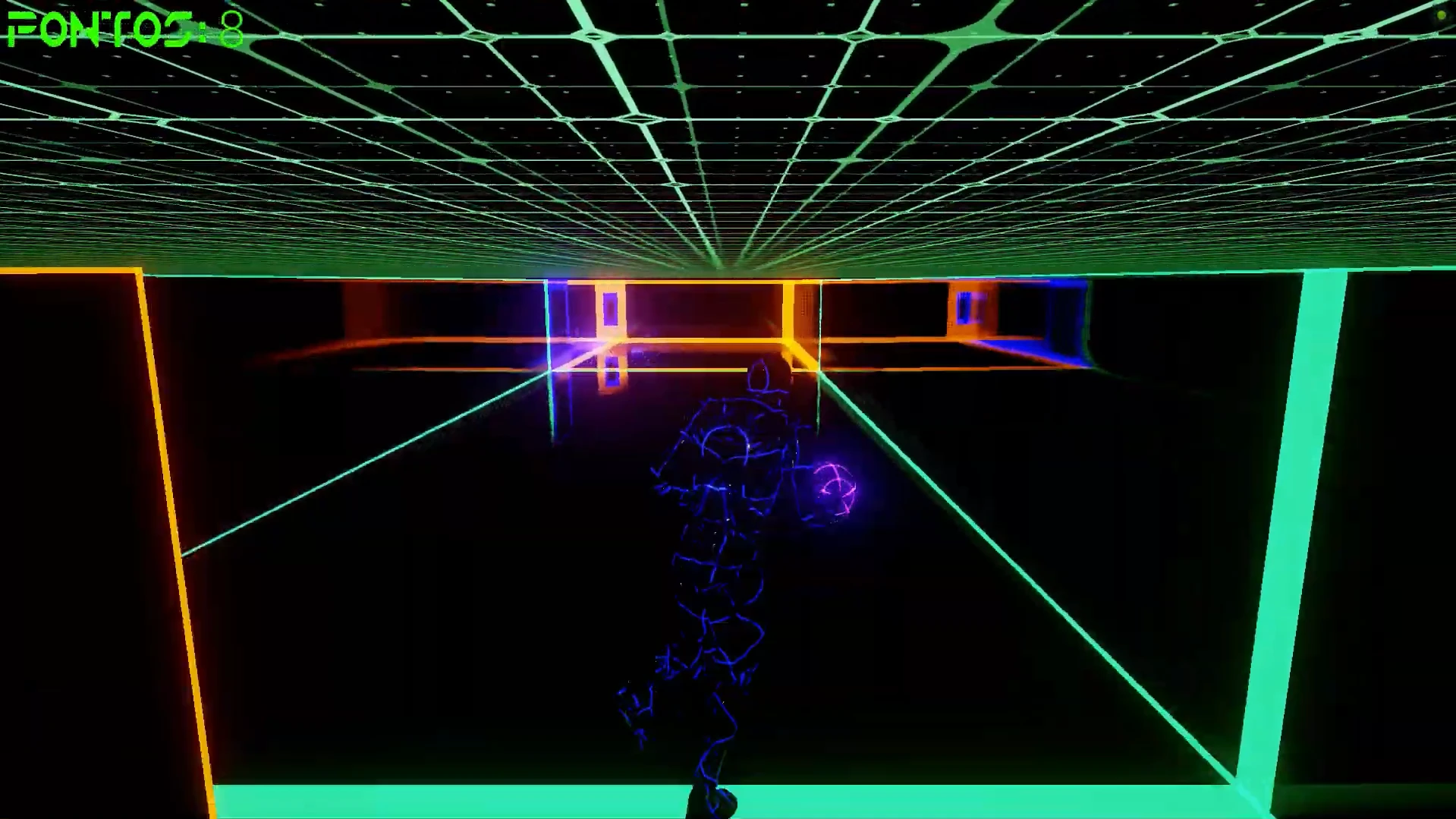
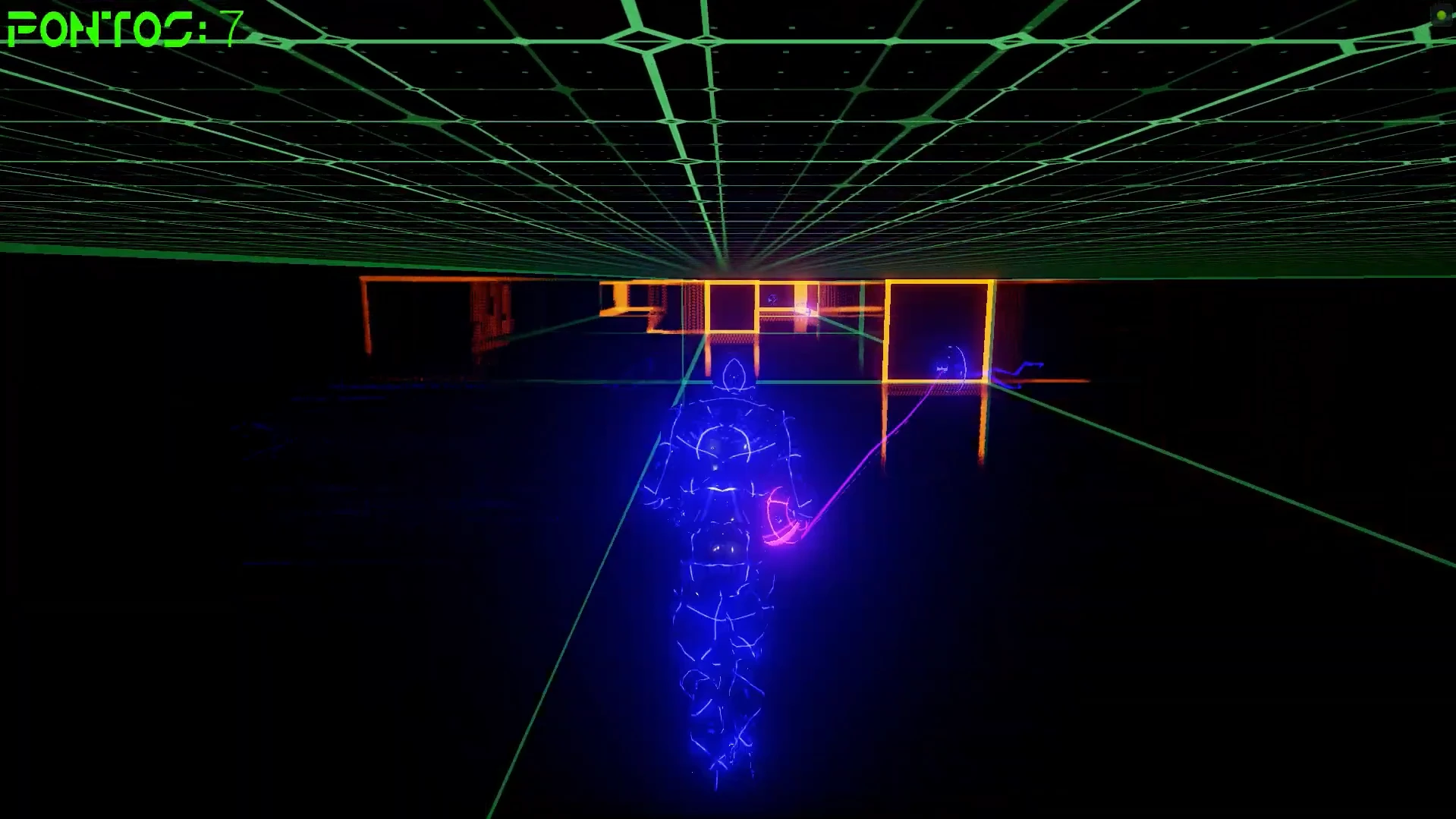
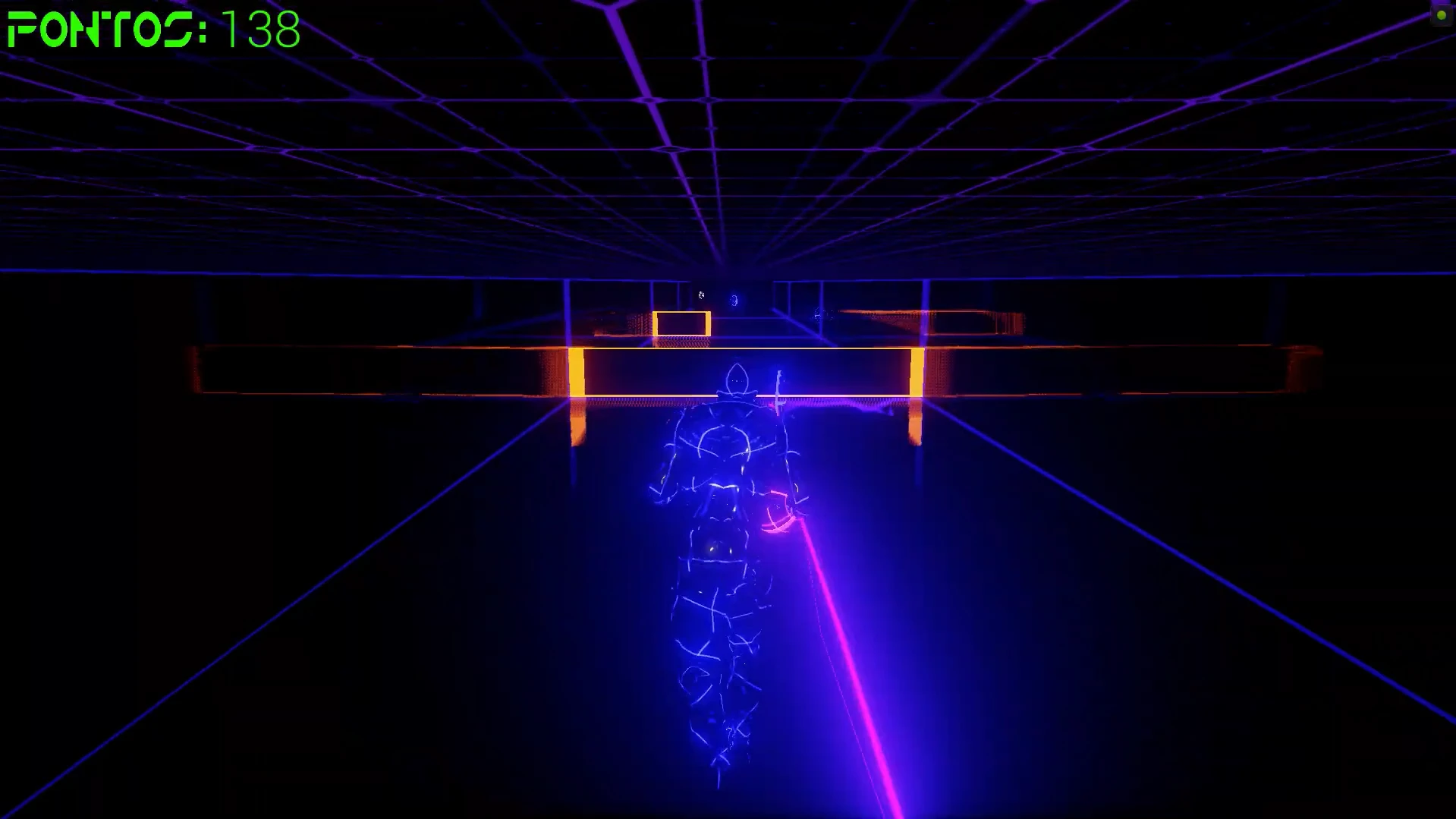
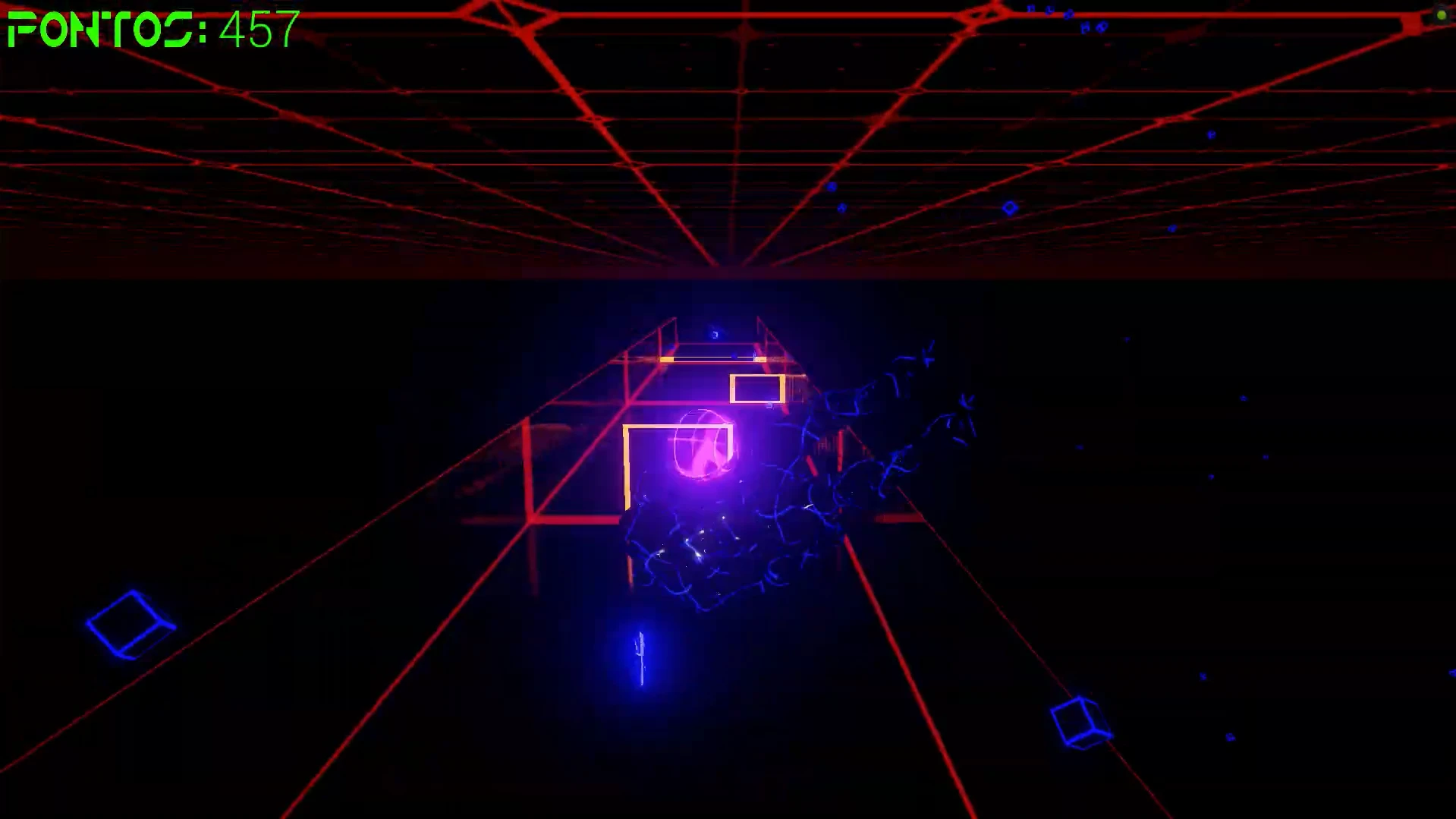
An endless runner in CyberGun’s neon universe: the infinite corridor shifts color as you advance, obstacles and portals are procedurally generated, and the score climbs for as long as you survive. Pure reflex, short sessions, difficulty scaling with distance.
The green corridor: the character weaves between neon frames
A blue stretch of track with obstacles ahead
Orange portals in the middle of the track
The red grid at 457 points: the difficulty has ramped up
Commercial highlights
Four genres, one engine
Children’s, horror, TPS/VR and endless runner — each project exercises a different Unreal subsystem: lighting, AI, physics, UI and input, from gamepad to headset.
Atmosphere as a tool
The same engine produces a colorful cartoon Eden and an abandoned corridor where the flashlight is your only ally. The difference is all light, palette and sound — a discipline that transfers to any visual product.
Modular level design
The horror game is assembled from reusable wall and furniture modules; the runner generates its track procedurally; the arena scales enemy waves by difficulty. Building systems, not one-off scenes.
VR-ready
CyberGun was designed to also be played in virtual reality — camera, aiming and comfort built for the headset, not retrofitted later.